Questa Advanced Verification
Questa automates verification and debug of complex SoCs and FPGAs, dramatically increasing productivity and helping companies manage resources more efficiently. Questa best-in-class technologies maximize the effectiveness of verification at the block, subsystem, and system levels.
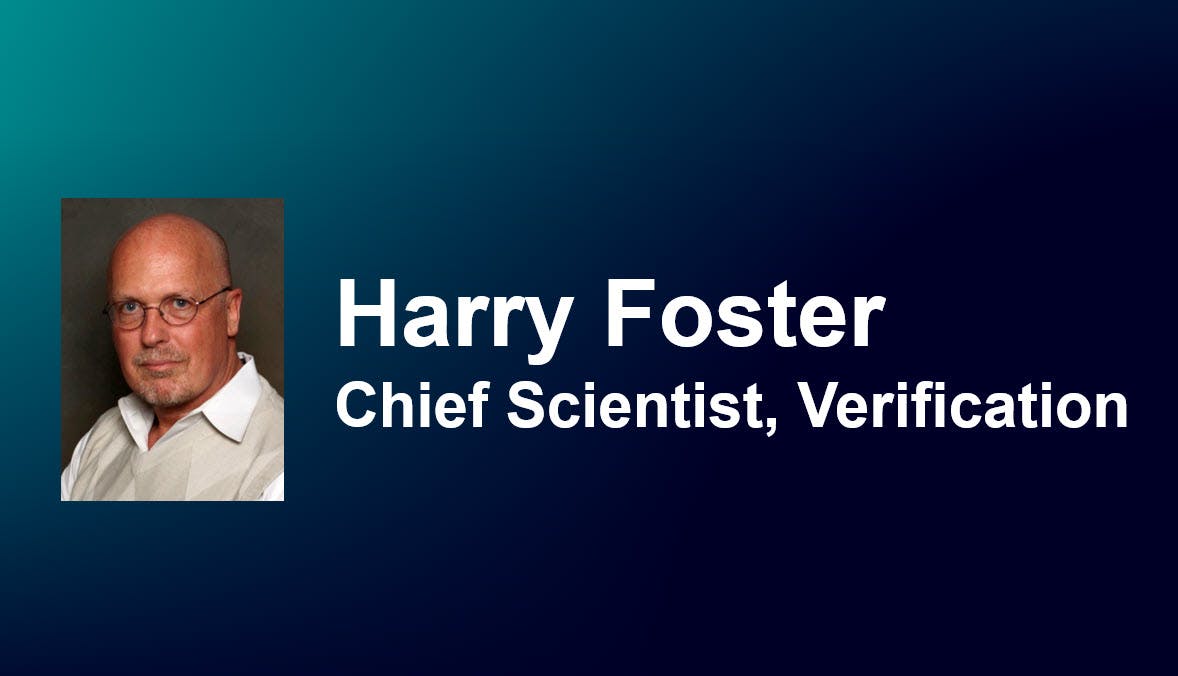


Upcoming and on-demand events
View all available UVM & SystemVerilog video recordings at the Verification Academy.





Upcoming and on-demand events
View all available Verification IP video recordings at the Verification Academy.


Upcoming and on-demand events
View all available Questa Visualizer and debug video recordings at the Verification Academy.




Upcoming and on-demand events
View all available CDC, Lint and RDC video recordings at the Verification Academy.


Upcoming and on-demand events
View all available Formal Verification video recordings at the Verification Academy.


Ready to talk to someone today?
We're standing by to answer your questions.
Get in touch with our sales team 1-800-547-3000 or 1-503-685-8000
Verification Academy
Verification Academy provides the skills necessary to mature an organization's functional verification process capabilities, providing a methodological bridge between high-level value propositions and the low-level details.
Verification Horizons blog
Insight and updates on concepts, values, standards, methodologies, and examples to assist with the understanding of what advanced functional verification technologies can do and how to most effectively apply them.
Verification Horizons
The Verification Horizons publication provides concepts, values, methodologies and examples to assist with the understanding of what advanced functional verification technologies can do and how to most effectively apply them.
Aerospace & defense verification tech day
Join Siemens EDA for an engineering update on the methodologies, technologies, and solutions for the ASIC, FPGA, and systems verification challenges unique to today’s aerospace and defense industry. Design and verification engineers and managers serving the aerospace and defense industry won’t want to miss this deep dive into the future of digital verification.

Functional Verification Training Library
Learn how to use ModelSim/Questa GUI and command line to verify and debug HDL designs in interactive mode or build batch mode scripts for fast simulations.